

Woman in Time: Visual Explorations of Women’s History
A series of visual explorations for my upcoming comic Woman in Time, showing the surprising ways women have left their mark in history.

Around 40,000–12,000 years ago, humans left handprints on cave walls, which we think signified ritual, communication, or identity. These were long assumed to be the marks of male hunters, but later analysis of finger length ratios suggested that many of these handprints were in fact made by women.
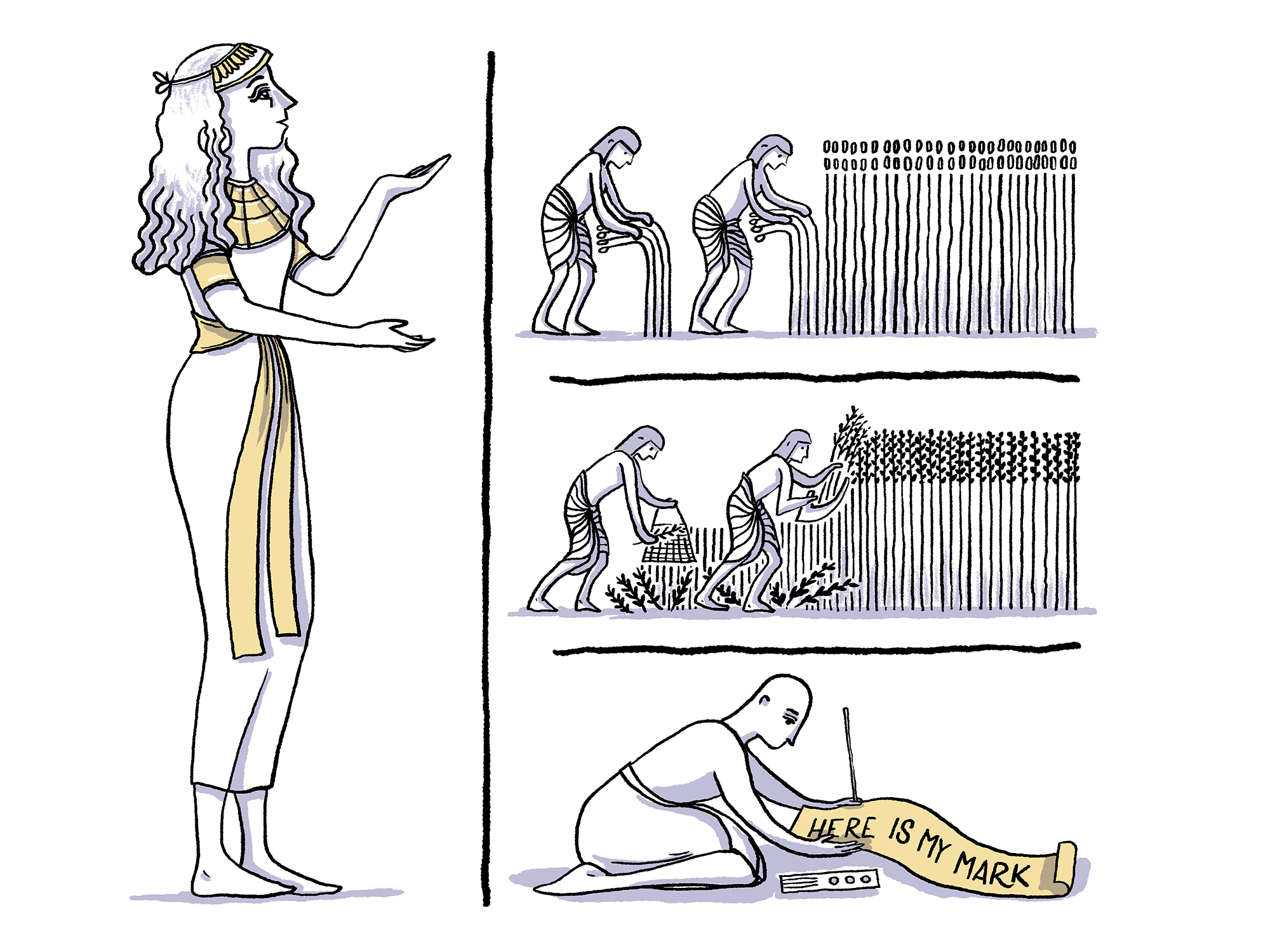
In Ancient Egypt, women played a vital role in agriculture and food production, working in the fields, grinding grain and brewing beer, all of which underpinned a healthy economy. Wealthier women could also oversee household resources and staff, managing estates that fed into the broader economic life of their communities.
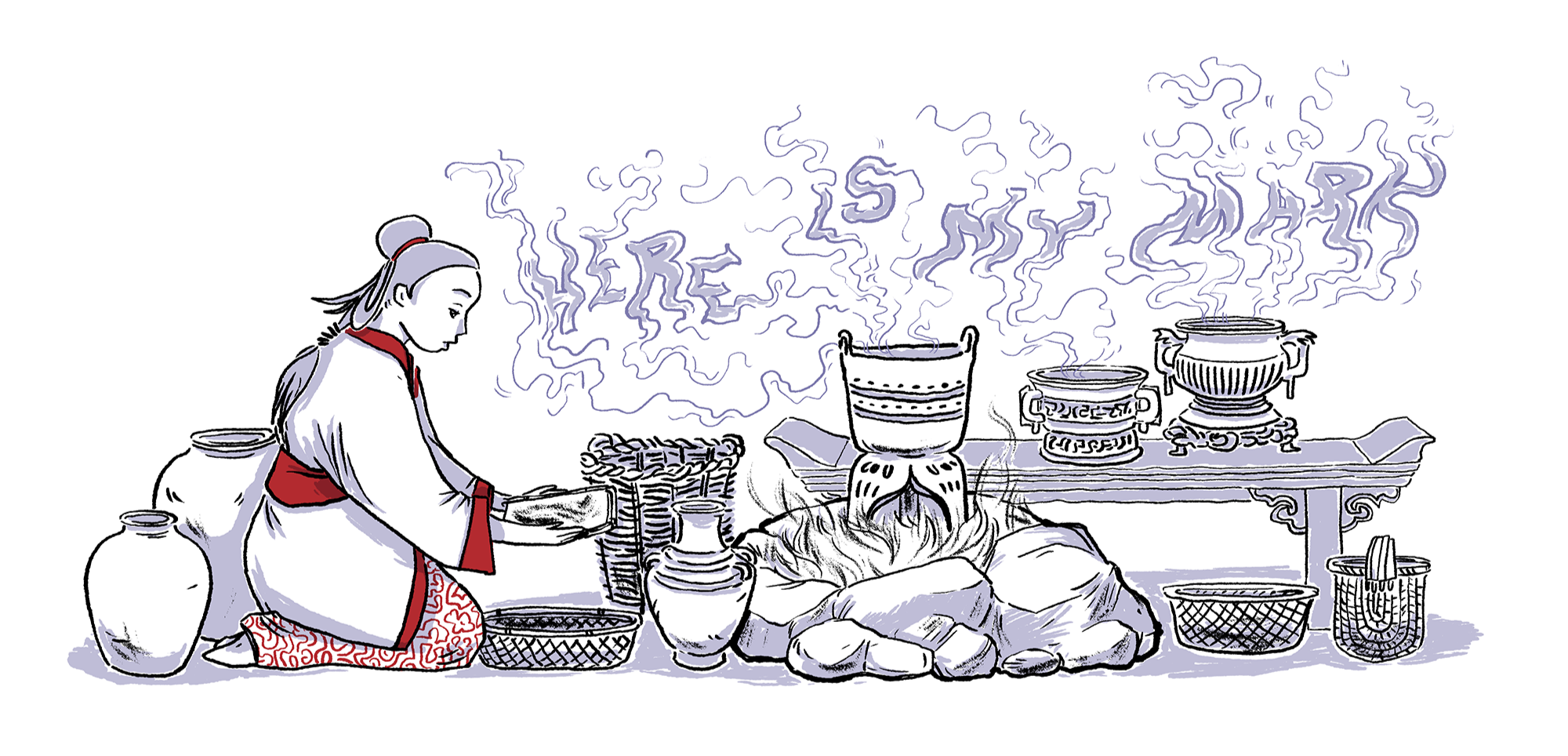
In Ancient China, women often prepared everything needed for tea gatherings in the home, from food to the careful setting of the space. While formal tea ceremonies were usually led by men, women’s unseen labour shaped the social rituals that held their communities together.
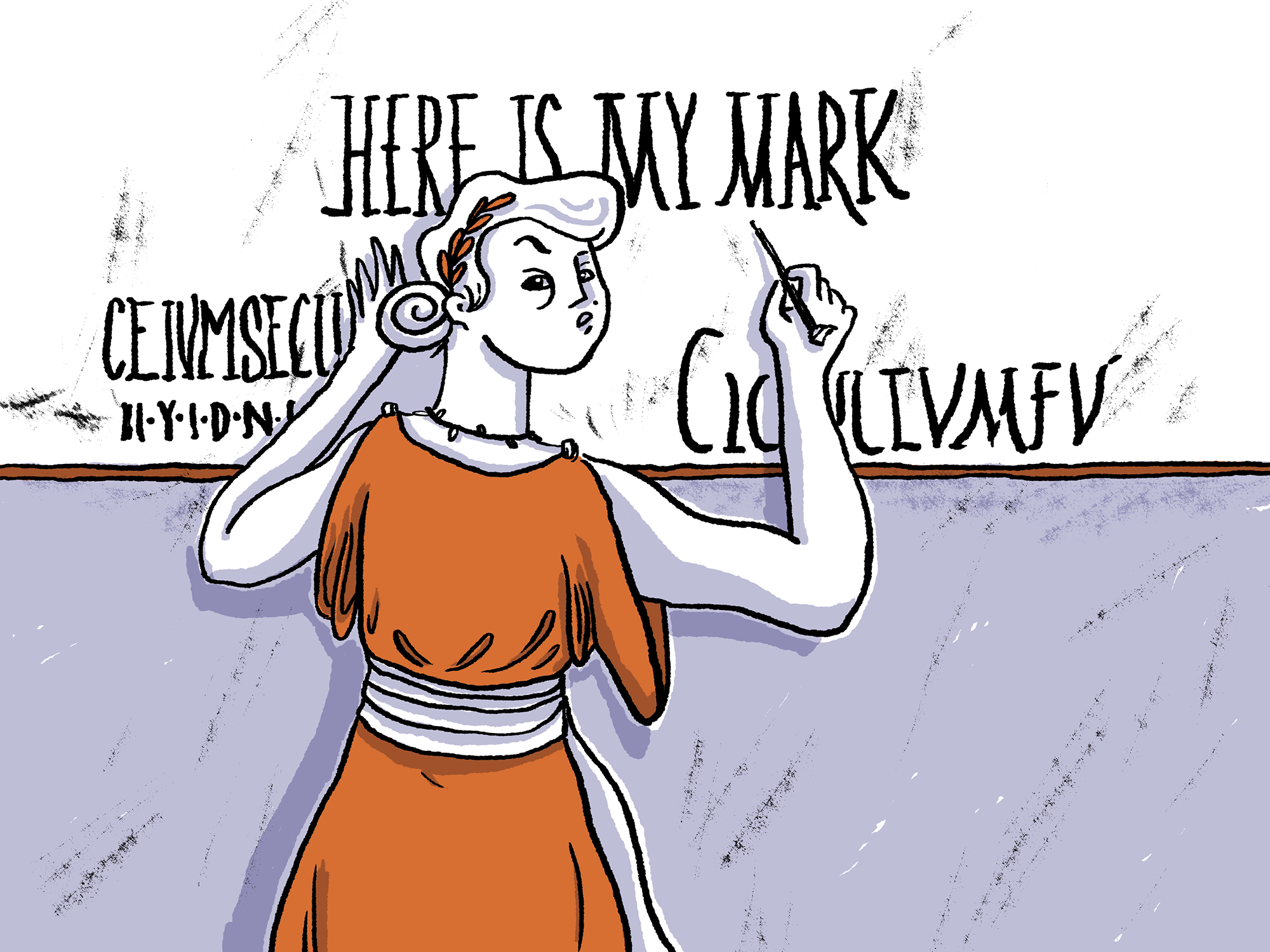
In Roman Londinium, people literally left their mark through graffiti carved and scratched into walls and plaster. Inscriptions show that women as well as men participated in this everyday writing culture, quietly proving their presence and literacy in the city.
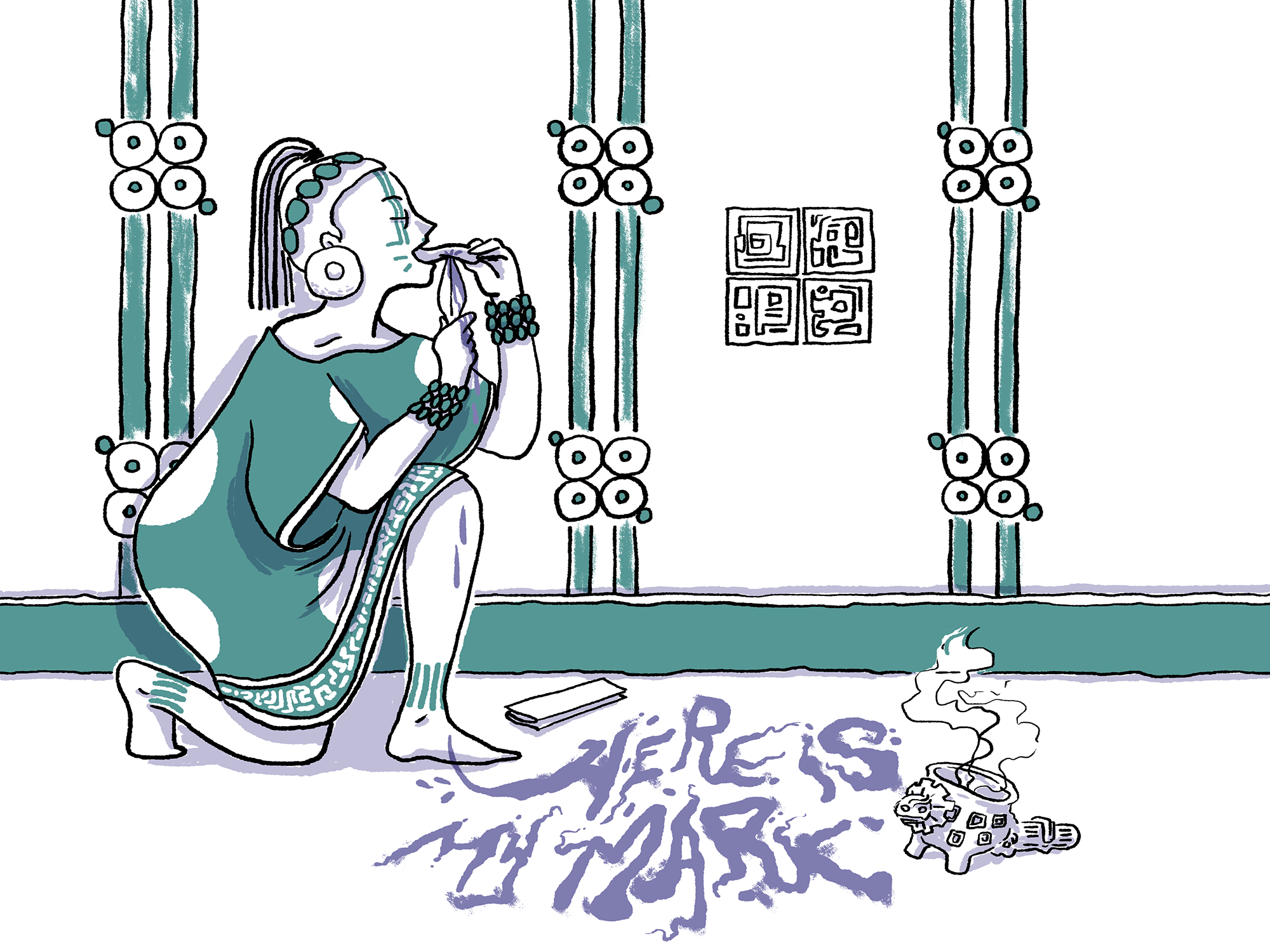
During the Ancient Maya civilisation, women of high status took part in bloodletting rituals, piercing soft parts of the body such as the tongue as an offering to the gods. These ceremonies were central to religious and political life, and women’s participation placed them at the heart of sacred authority.
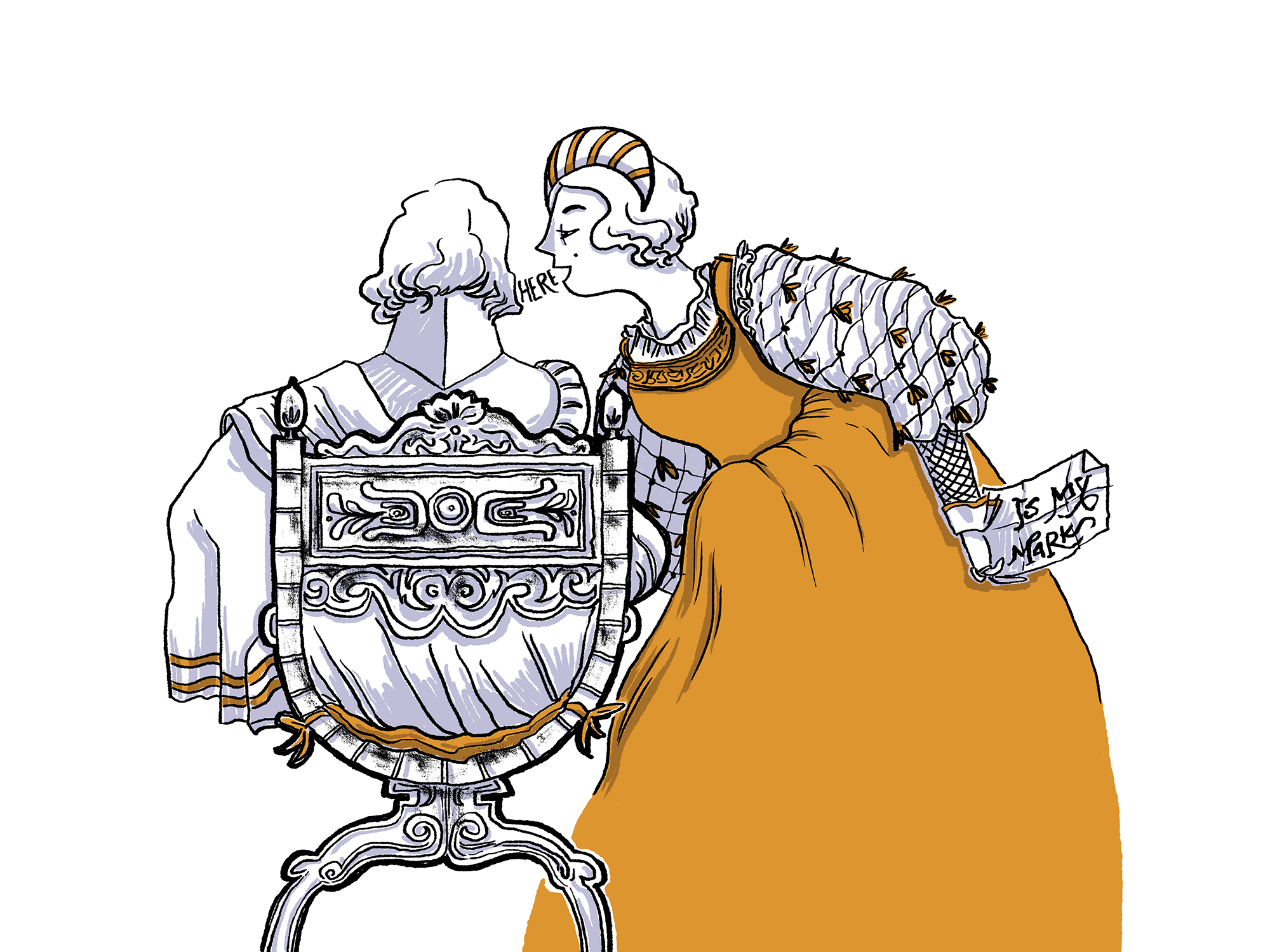
In the Renaissance, elite women used their social skills, letters, salons and patronage to influence powerful men and shape politics, art and ideas behind the scenes. Their networks and reputations became another way to leave a mark on history, even when official records tried to overlook them.
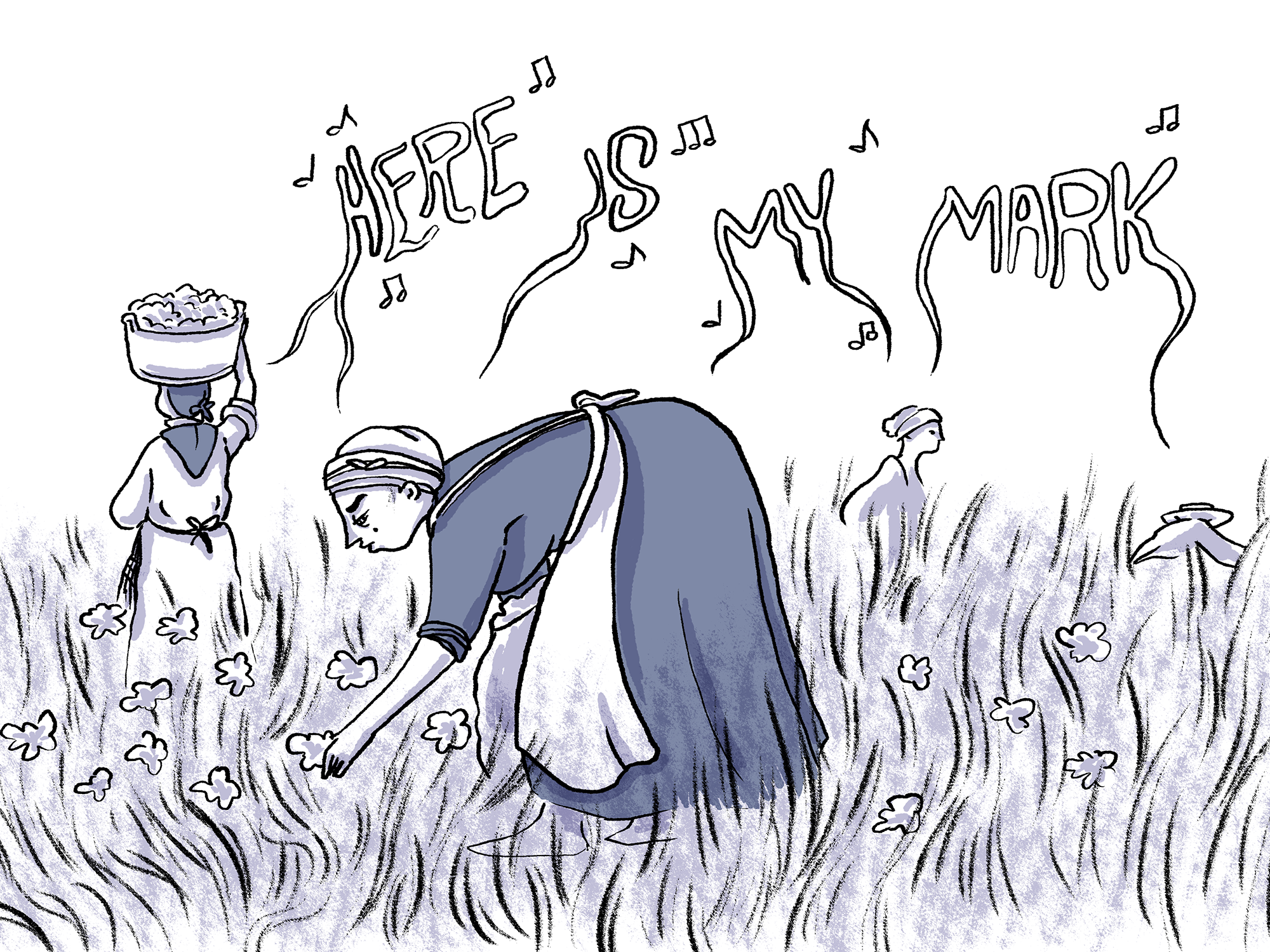
Enslaved women on plantations used songs as a way to endure backbreaking work, to share stories and to pass on culture to their children. Work songs and lullabies became quiet acts of resistance, preserving identity and helping to sustain the spirit of rebellion against enslavement.
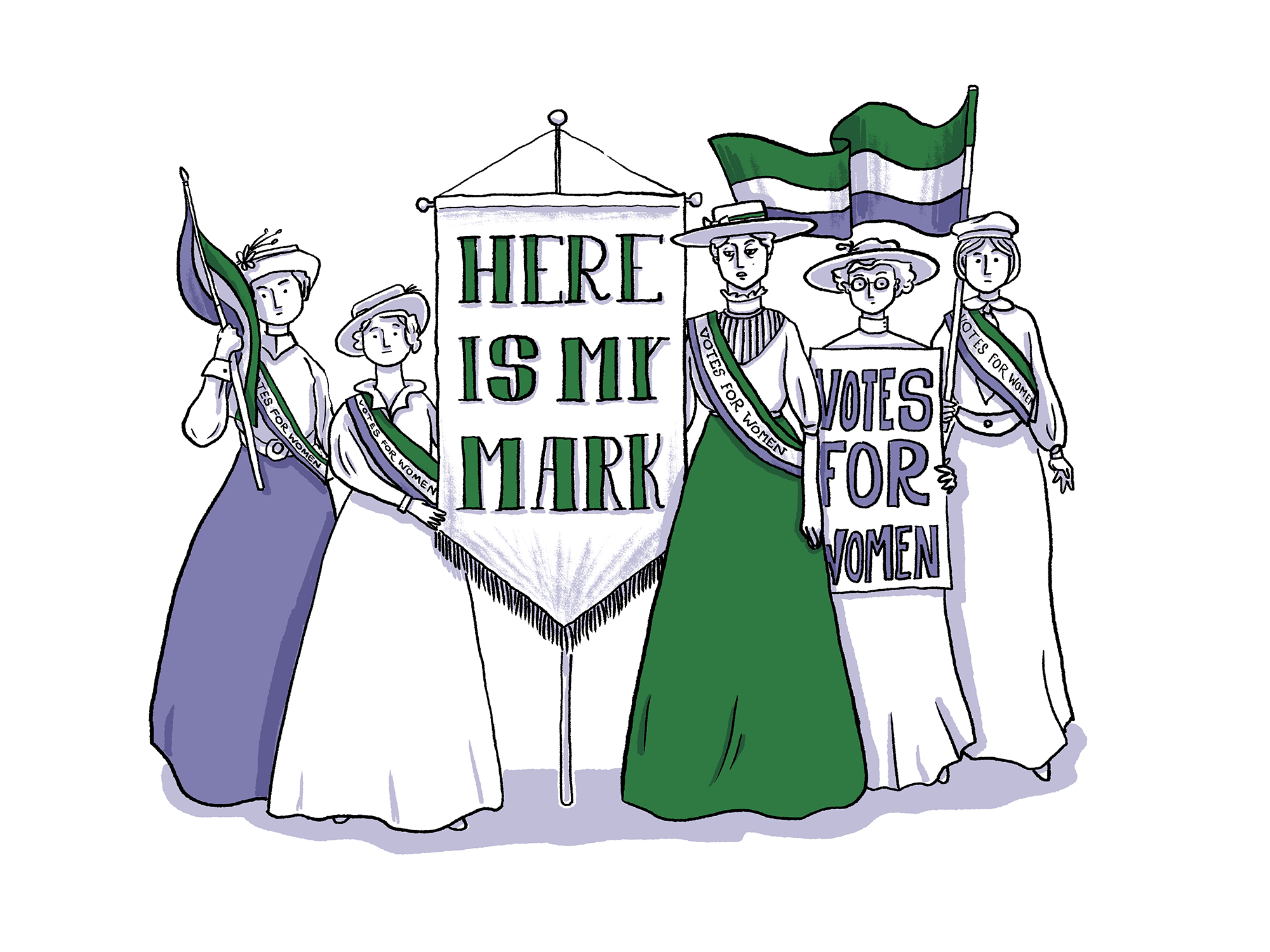
Women stood together to demand the vote, organising marches, petitions and acts of civil disobedience for women’s suffrage. Their collective, peaceful resistance changed laws and redefined who counted as a citizen.

During the Second World War, women drove ambulances, often in dangerous conditions, bringing the wounded to hospital and keeping emergency services running. They developed advanced driving, mechanical and first-aid skills, proving that women belonged on the front lines of public life as well as on the home front.
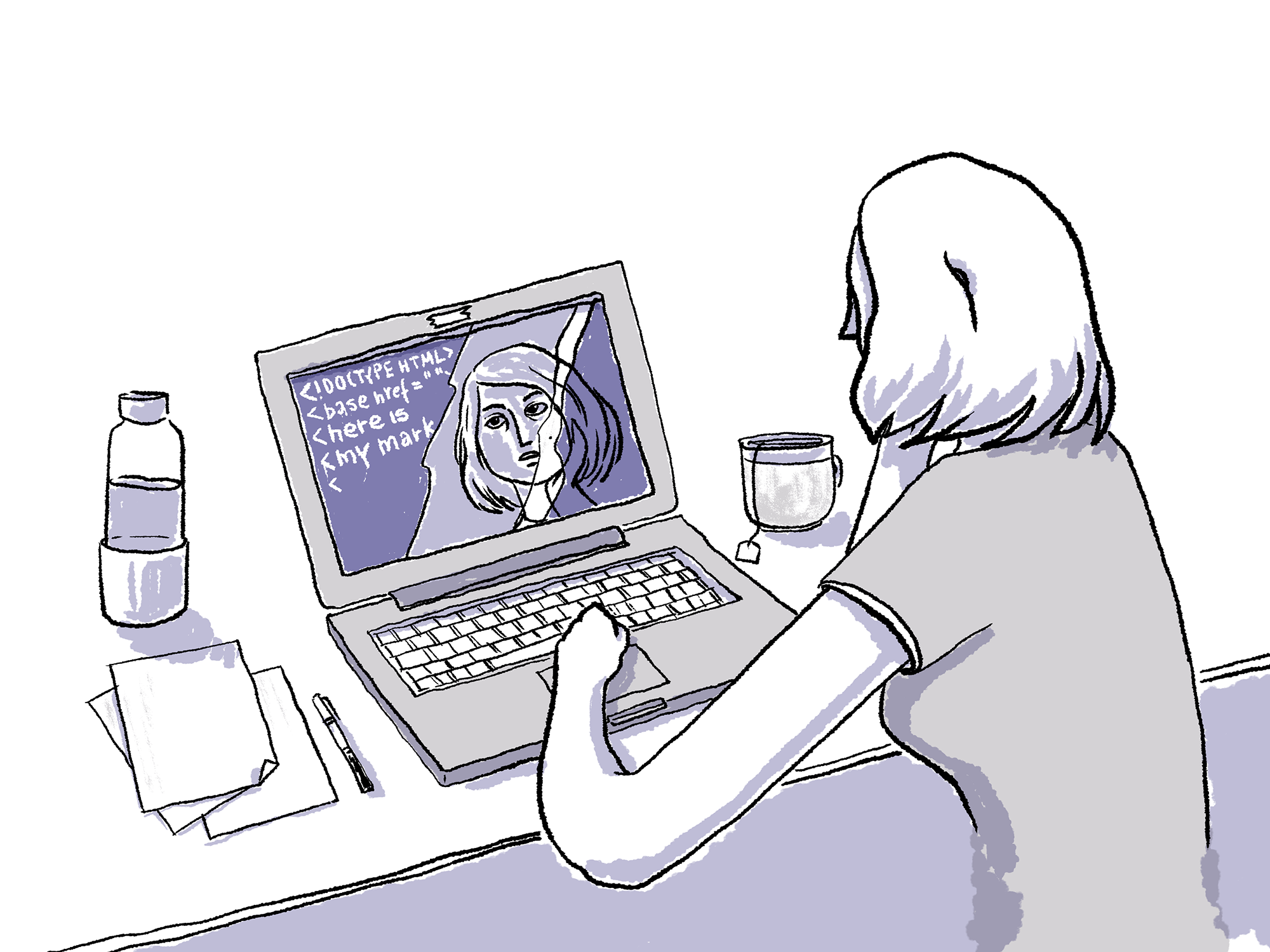
Today, women leave their mark in STEM, from coding and engineering to medicine and climate science, reshaping the world we live in. Their discoveries and inventions are part of a long, often hidden history of women changing the future.